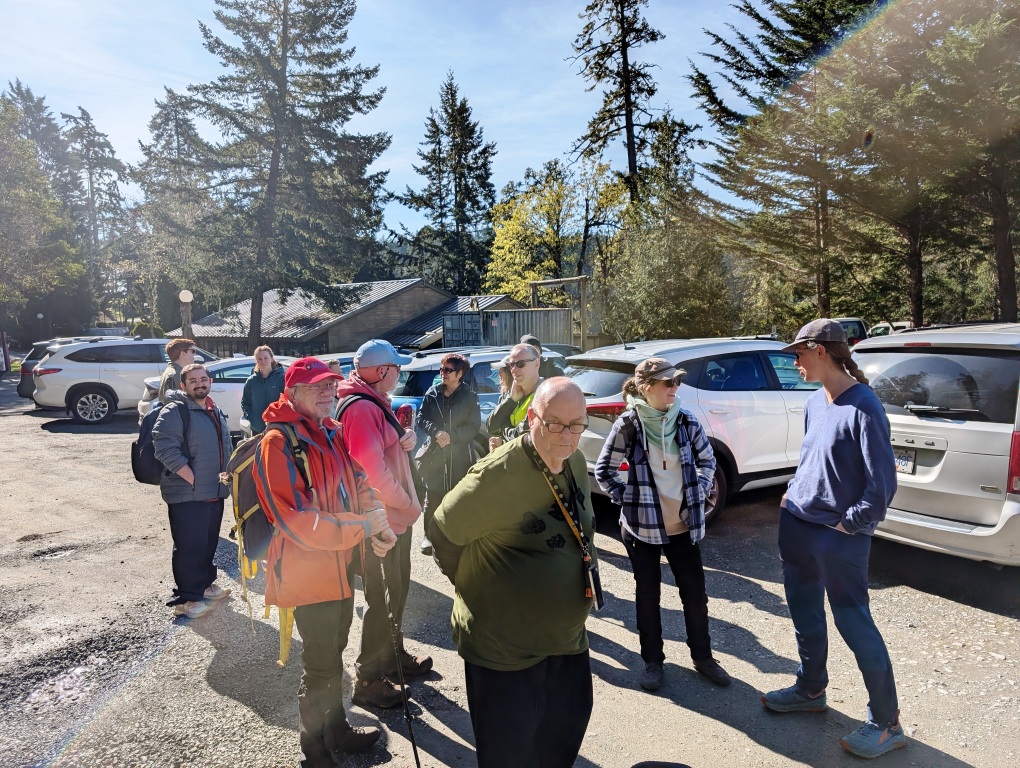
May 7, 2026 SVIMS Meeting
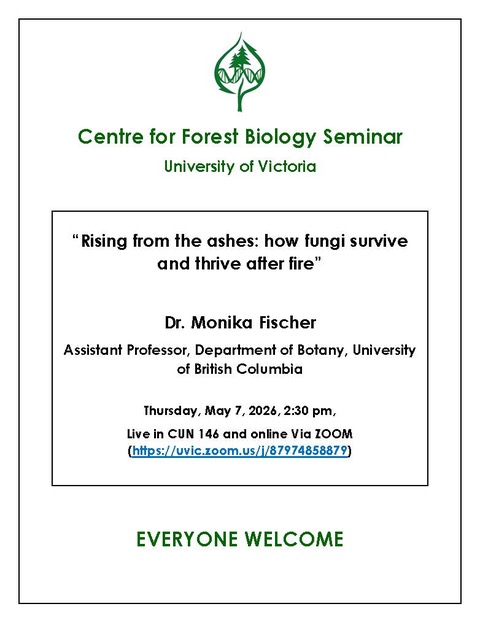
Talk title: Rising from the ashes: how fungi survive and thrive after fire
Talk description: What happens to an ecosystem when fire sweeps through—and what does that moment look like from the perspective of a fungus? While flames may seem purely destructive, for many fungi, fire is a signal: a sudden opening of opportunity.
In the immediate aftermath, specialized “fire-following” fungi emerge almost overnight. Hidden in the soil as spores or dormant structures, they respond to heat and chemical cues, often growing rapidly through ash and charcoal. These early responders begin breaking down charred material, unlocking nutrients, and reshaping the post-fire environment.
Among them, Pyronema plays a starring role. Often appearing as bright patches on burned ground, it helps jumpstart ecological recovery by stabilizing soils and accelerating nutrient cycling—laying the groundwork for plants and other organisms to return.
Seen through the lens of fungi, fire is not just an ending—it’s the beginning of a dynamic and essential renewal process.
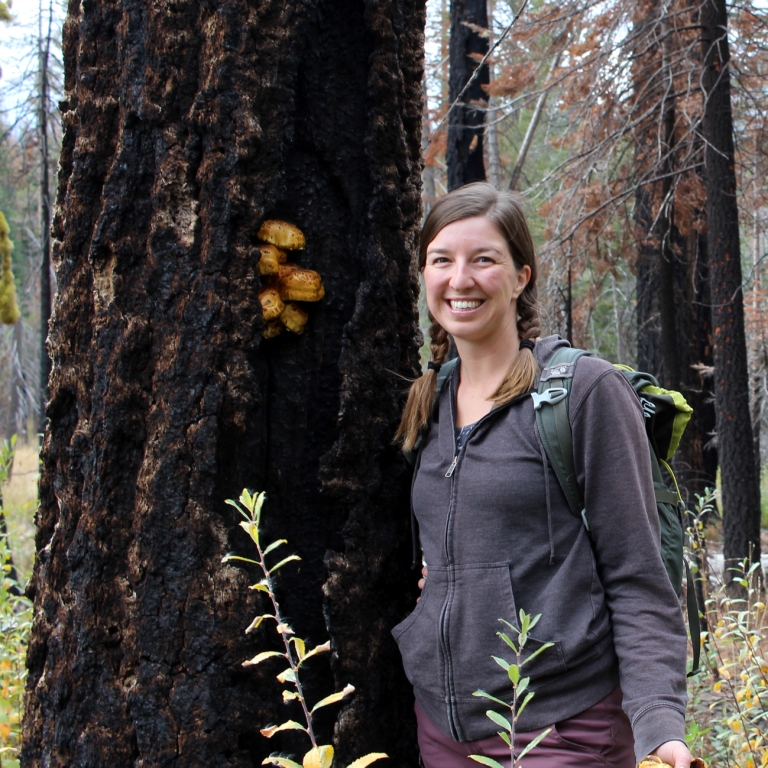
Monika Fischer is the recently appointed Assistant Professor of fungal biology at UBC Vancouver. Research in her labs seeks to understand the molecular mechanisms that mediate fungal interactions and drive ecological processes, especially in the context of fire.
Monika wasn’t always a biologist. Her first passion was food. She was as a chef for several years before she got bit by the fungal bug while working at a farm-to-table restaurant in Washington. A strong desire to understand how fungi interact with each other and their environment propelled her through a biology bachelor’s degree at University of Washington in Seattle and then a microbiology PhD and postdoc at UC Berkeley in California, which is where she started studying the genetics and ecology of fire-adapted fungi. (More on Monika and her students at her lab website.)
Monika is also giving a talk at UVic on the afternoon before her SVIMS talk. SVIMS members are welcome to attend, in person or online. See poster below.